
Georgetown, Texas

But here’s the part most buyers don’t realize until they’re already deep in the process:
✨ Georgetown is not a one-size-fits-all market.
As someone who lives here and helps buyers relocate to Georgetown all the time, there are a few things that consistently surprise people—things that can impact your commute, your monthly payment, and even your day-to-day lifestyle.
If you’re considering making a move, here’s what I always make sure my clients understand before they buy.
One of the biggest misconceptions I see is around commute times.
On paper, Georgetown doesn’t look that far from Austin. In reality, how you commute matters just as much as whereyou live.
✨ What buyers wish they knew:
Two homes that are 10 minutes apart in Georgetown can have very different commute experiences depending on access to these highways.
My advice: Before you commit to a location, test the drive during the time you’d actually be commuting. It’s one of the most important factors in long-term satisfaction.
This is probably the #1 surprise for relocation buyers.
Texas doesn’t have a state income tax, which is great—but property taxes are higher than many buyers expect.
In Georgetown, tax rates typically range from ~1.8% to 2.6%+, depending on:
✨ What buyers wish they knew:
Two homes with the same purchase price can have very different monthly payments based on the tax rate alone.
Example:
That’s a meaningful difference in your monthly payment.
My advice: Always look at the effective tax rate, not just the price of the home. This is something I walk through with my buyers early so there are no surprises.
Georgetown has a lot of new construction—which is a big reason people are drawn here. But newer isn’t always better for every buyer.
Pros:
Cons:
Pros:
Cons:
✨ What buyers wish they knew:
The decision isn’t just about the house—it’s about lifestyle.
For example, I often work with buyers deciding between:
My advice: Think beyond the finishes. Consider how you want to live day-to-day—location, lot size, and overall feel matter just as much as the home itself.
This is another area that can get confusing quickly—especially in communities that overlap boundaries.
Two of the most common districts you’ll see in Georgetown are:
✨ What buyers wish they knew:
Some neighborhoods (like parts of Santa Rita Ranch) are split between districts—and that can impact both resale value and buyer demand down the road.
My advice: If schools are important to you, make sure you’re looking at the specific home’s zoning, not just the neighborhood name.
Beyond the logistics, this is what really draws people in.
Georgetown offers a slower pace, a strong sense of community, and a lifestyle that feels a little more relaxed than Austin—without being too far removed.
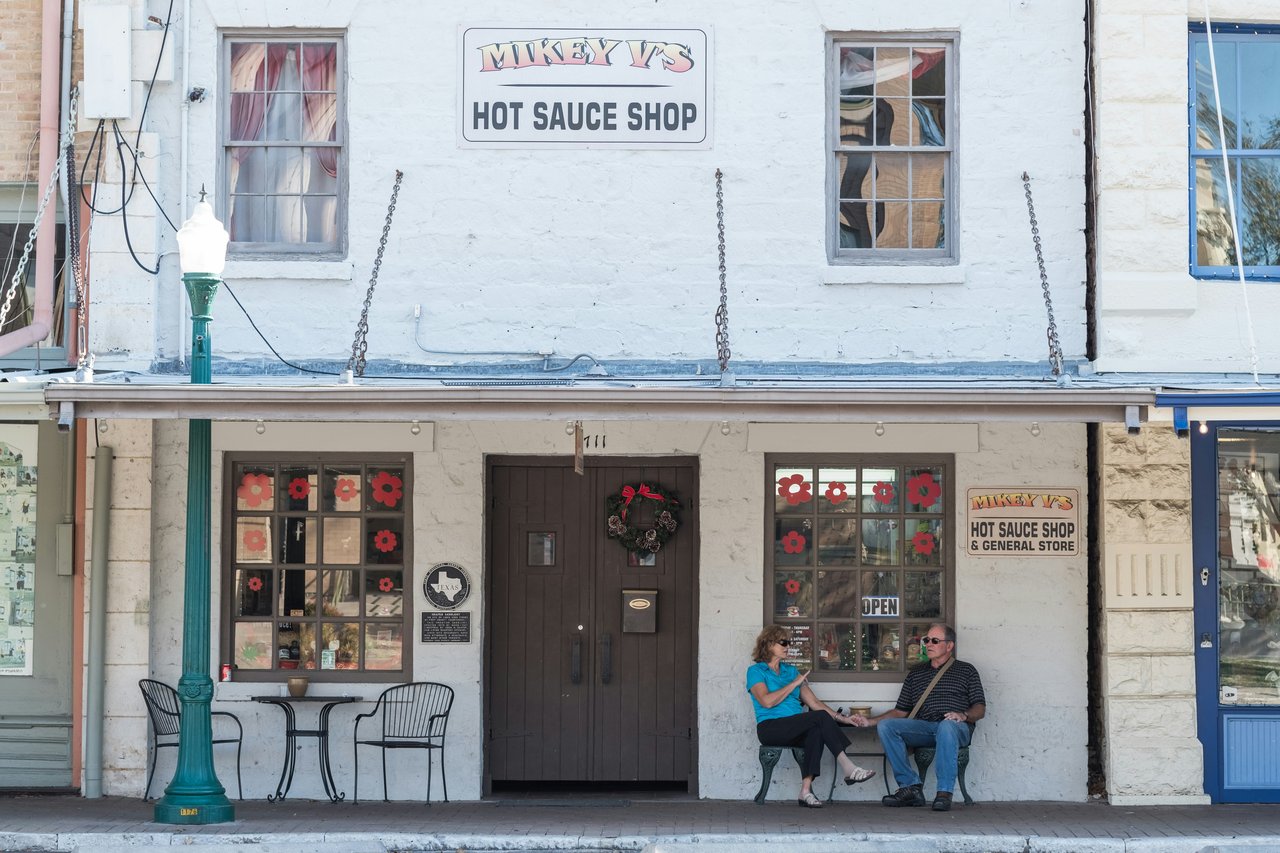
From weekends on the Square to time spent outdoors along the San Gabriel River, it’s the kind of place where people tend to settle in quickly.
Moving to Georgetown can be an incredible decision—but like any move, the details matter.
The buyers I see happiest long-term are the ones who:
✨ That’s the difference between buying a home and making a smart move.
If you’re considering relocating to Georgetown, I’m always happy to help you:
About the Author
I'm Jen Buterick Gonzales, a Georgetown resident and real estate broker with Legacy Real Estate Group at Compass. With nearly 10 years of experience helping buyers navigate the greater Austin and Georgetown market, I specialize in making the relocation process feel a lot less overwhelming — whether you're a first-time buyer, moving up, or relocating from out of state. I live here, I work here, and I genuinely love helping people find their place in this community. If you're thinking about making Georgetown home, I'd love to be your resource from the very first question to the day you get your keys.
[email protected] 512-537-3905 LegacyRealEstateGrp.com
Yes, Georgetown is one of the fastest-growing areas in the Austin metro for a reason. Buyers are drawn to the combination of more space, newer homes, and a strong sense of community, all while still being within commuting distance of Austin. It tends to appeal especially to those looking for more value compared to Austin without giving up convenience.
Georgetown is located about 25–30 miles north of Austin. Drive times can vary significantly depending on traffic and your route. Commutes along IH-35 can be more unpredictable, while SH-130 (toll road) typically offers a faster and more consistent drive.
The cost of living in Georgetown is generally lower than Austin, especially when it comes to price per square foot. However, property taxes can be higher than many buyers expect, typically ranging from about 1.8% to 2.6%+ depending on the area. It’s important to factor taxes into your monthly payment when budgeting.
It depends on your priorities. Georgetown offers a wide range of new construction homes with modern layouts and builder incentives, as well as resale homes with larger lots, mature trees, and more established neighborhoods. The right choice comes down to lifestyle, location, and what features matter most to you.
Some of the most popular neighborhoods include Wolf Ranch for its amenities and location, Cimarron Hills for luxury and golf course living, Berry Creek for its established feel and larger lots, and Sun City for active adult living. Each neighborhood offers a different lifestyle, so it’s important to explore options based on your goals and budget.
Stay up to date on the latest real estate trends.

Georgetown, Texas
May 27, 2026
Georgetown, TX Commute Guide: What It’s Really Like Driving to Austin and Beyond

Georgetown, Texas
May 20, 2026
Is Now a Good Time to Buy a Home in Georgetown, TX? (2026 Market Breakdown)

Georgetown, Texas
May 13, 2026
Hidden Costs of Buying a Home in Georgetown, TX (2026 Guide)

Georgetown, Texas
April 30, 2026
New Construction vs Resale in Georgetown, TX: Which Is the Better Investment in 2026?
Georgetown, Texas
April 28, 2026
Living in Georgetown, TX: Pros, Cons, and What It’s Really Like in 2026
Georgetown, Texas
April 21, 2026
Georgetown, Texas
April 8, 2026
Georgetown, TX Relocation Guide: What Buyers Wish They Knew Before Moving

Georgetown, Texas
April 1, 2026

Georgetown, Texas
March 24, 2026
Local Favorites in Georgetown TX: Restaurants and Lifestyle That Make It Feel Like Home